David Lane hybrid lecture: ‘Memories of Turkey 1959-60’, 21 January 2025 - flyer: - slides:

David Lane in the centre post lecture.
David Lane hybrid lecture: ‘Memories of Turkey 1959-60’, 21 January 2025 - flyer: - slides:
1- Before you being posted to Ankara as a junior diplomat at the British Embassy in Ankara how much briefing did you get on the history, culture and politics of the country?
In 1959 I will have known a certain amount about Turkey as general and historical knowledge, and about its current situation from having been already a member of the Foreign Service for seven years, and I expect I read as much as I could before leaving London.
2- How was it like to work under the Ambassador of the time, Sir Bernard Burrows? Were the staff effectively under voluntary house-arrest in the early days post the 27 May 1960 army coup?
Bernard Burrows was a very good ambassador to work under. There was nothing like house-arrest in the early days after the coup though there was a night-time curfew for some days. I was detained by the police for some time while driving in the town one evening.
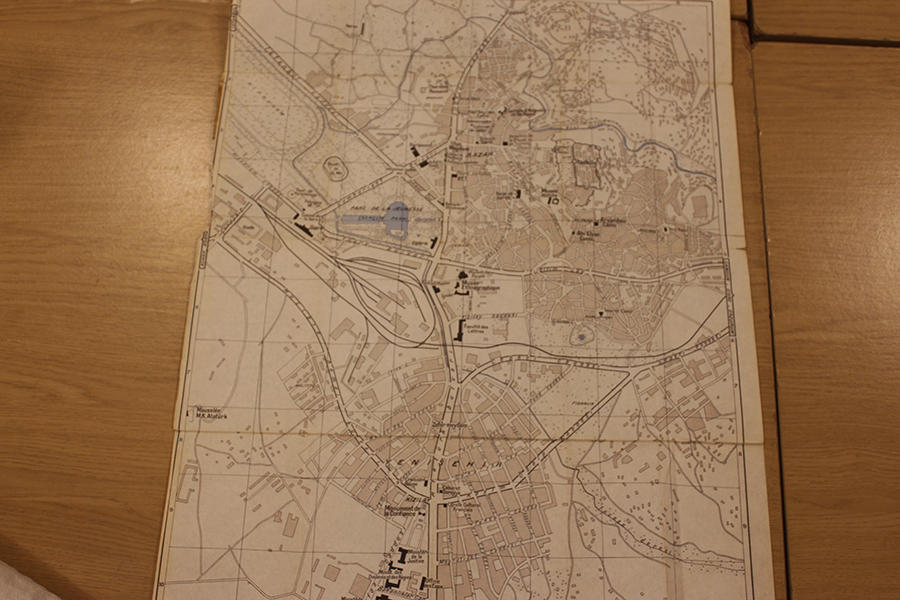
One recollection I have is of driving early to the embassy up Müdafaaî Hukuk Caddesi after being awakened just after the coup had taken place. I saw a damaged taxi on the side of the road near the top bend, and learned later that the coup troops had opened fire on it and killed the small son of the taxi driver. The child’s name was Ersan, and the road was quite soon renamed as Şehit Ersan Caddesi in his honour as a martyr; and so it remains.
3- In April 1960 you took about 3 weeks leave and took a touring holiday with friends in the West and South-West of Turkey, which you clearly were very impressed with. What was the level of tourist development in the region in terms of hotels to stay, restaurants, signage at archaeological sites, museums etc.?
There were pleasant hotels in Izmir and Antalya though not much modern tourist development. This did not seem to matter to those of us who were fascinated by Turkey though it no doubt held back any sort of mass popular tourism.
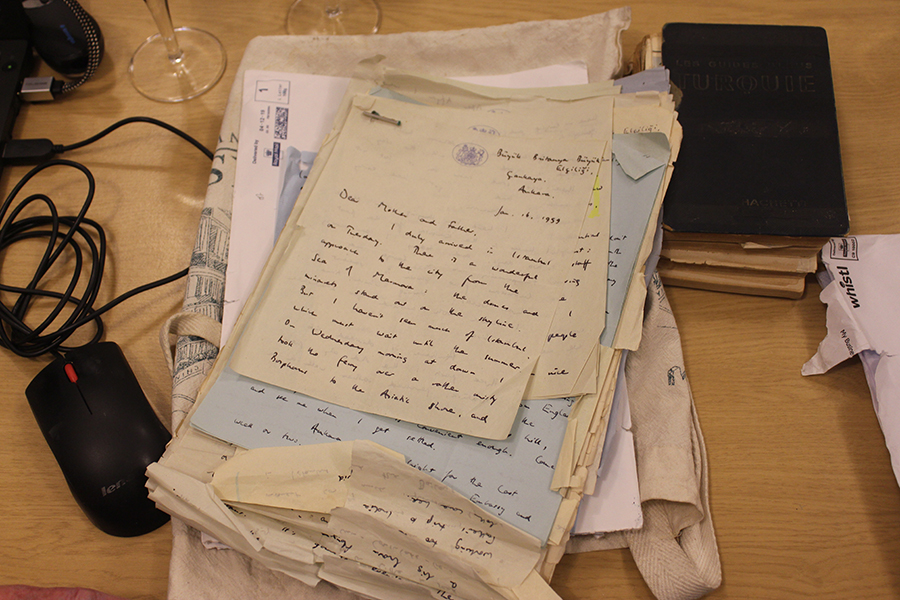
4- You state in your letter to your parents in mid September 1960 that ‘the press is getting rather blood-thirsty these days and announces today that the prosecution will demand the death penalty for all the Menderes cabinet…’. Do you detect in that harsh statement the press were being led by the military officers to create demons out of the former regime to create the public mood conducive for such drastic measures?
I suspect that the National Union Committee thought that it would be useful to turn popular opinion away from sympathy with Menderes and his colleagues.
5- Did you ever meet the staff at the British Institute of Archaeology in Ankara (BIAA) such as the second director till 1961 Seton Lloyd or his successor from that date Michael Gough, or James Mellaart assistant director of the Institute from 1957-1961?
Yes, I saw a lot of Seton Lloyd and Jimmy Mellaart, both in Ankara and later, when we had all left Turkey. We went to Arlette Mellaart’s 21st birthday party, when she had lived for 84 years: she was a Leap Year’s Day baby!
6- In your time the British Embassy oversaw the ‘British Cultural Week’ with a variety of cultural events. What were included in these events and do you have any anecdotes connected to this?
For the British Cultural Week, you could ask the British Council for details. There was an attractive evening production of Milton’s Comus in the embassy garden. Yıldız Kenter was The Lady and her brother Müşfik was Comus; there were quite numerous ballet students and musicians from the Conservatoire. Also, Ninette de Valois arranged for four of her dancers, including David Blair and Anya Linden, to come and dance with the Turkish State Ballet during the week. I recall an engaging production of Wilde’s The Importance of Being Earnest, though that may have been on a different occasion.
7- Did the Embassy have its own library concerning the culture and history of Turkey and if so did you refer to it? Do you recall if Turkish newspapers delivered to the embassy so the staff could be abreast of political developments and the public mood?
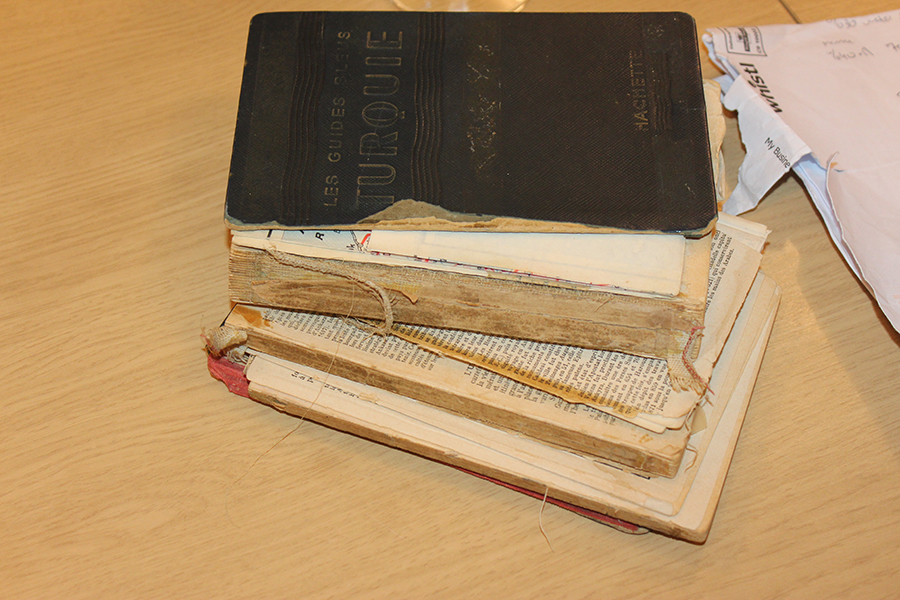
There was a good set of books about Turkey in the embassy and indeed in the Consulate General in Istanbul. As regards newspapers, one of the embassy staff summarised and translated the main newspaper items early each morning. These were reproduced for us all to read when we started work, and other embassies in Ankara subscribed for copies.
8- Were you upset when you heard of the executions of Menderes, Zorlu and Polatkan in 1961, though by then you were out of the country?
Yes; all three had been of service to Turkey (Zorlu had been a particularly effective Foreign Minister, I thought) and one always recalled the saying that “the grass never grows green under the gallows” or, as Churchill wrote, “The grass soon grows over a battlefield but never over a scaffold”.
9- When you returned to Turkey in the 1970s did you ever come across a conversation with the locals where the coup and executions were ever mentioned or was it by then a ‘closed subject’ in your impression?
I don’t recall - though I may have missed it - much reference to the executions after my return to Ankara fourteen years later. If the executions were referred to, I don’t think anyone, even opponents of the Democrat Party, spoke approvingly of them - though I don’t remember meeting anyone then who had been a member of the National Union Committee. Our upstairs neighbour in the 1970s was a former Democrat MP who was quite proud of her time in prison.
10- In Turkey today and for a long-time destruction of old property and reconstruction with something bigger and taller is to be observed quite commonly. Was there a similar building boom going on in Ankara in your time and if so were any buildings considered too important not to be touched because of their age, as far as you know?
There was quite a lot of modern building going on in Ankara but I don’t recall the heritage factor looming large.