Online lecture: ‘Sebze: Vegetarian recipes from my Turkish kitchen’, Özlem Warren, 26 November 2024 - flyer: - book link: - presentation slides:
1- Clearly you love Turkish vegetarian cuisine and this book is a celebration of that rich culture. How were you guided in the selection of dishes to promote?
Thank you, yes, I am passionate about our rich culinary heritage for Turkish vegetarian cuisine. I tried to incorporate lesser known regional specialties as well as popular dishes with a balance spread of vegetables, grains, pickles, condiments, savoury pastries, sweets, street food, grains, soups, meze & salad, casseroles, stews and zeytinyaglis, vegetables cooked in olive oil. We have such a healthy, doable offering of vegetarian dishes in Turkish cuisine.
2- For Western (and perhaps some Turkish audiences) some of the recipes are not well known such as Çılbır, Nohut Dürümü, and many others. Is the book a way to promote and widen knowledge of lesser-known regional foods and was it also a voyage of discovery or re-discovery for you as well?
Indeed. Most folks associate Turkish cuisine with meat and kebabs and not aware of regional specialties either. I wanted to showcase them for a world-wide reach and during research I have learned a lot too.
3- How secure is regional food tradition in Turkey as it is a large and diverse country. Is there a danger of some specialist dishes being lost along the way and do you have any particular favourites of highly regional dishes you would recommend?
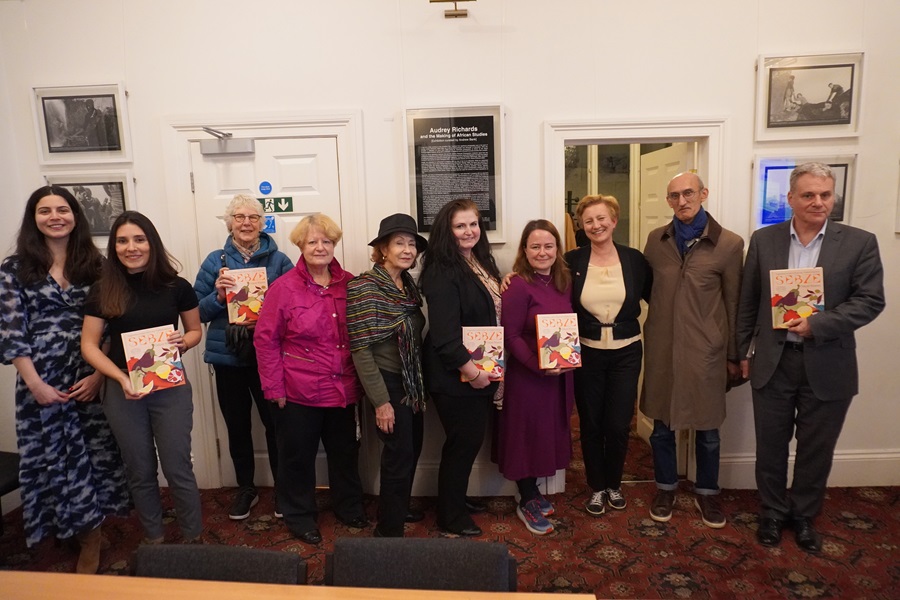
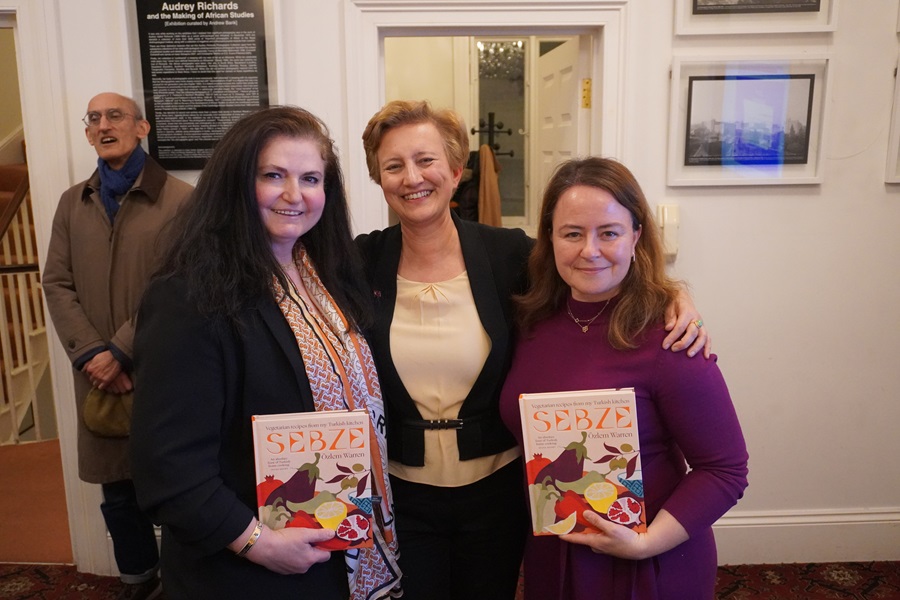
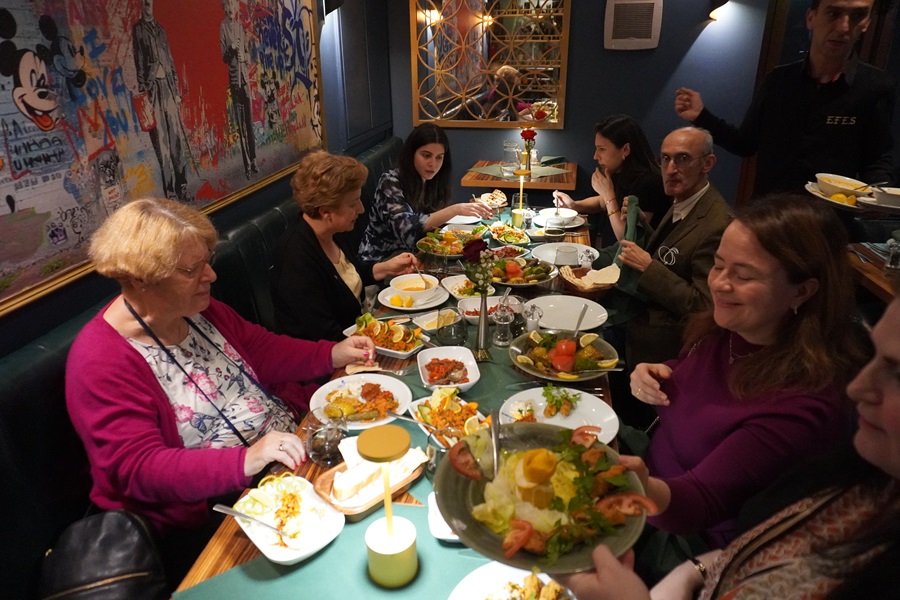
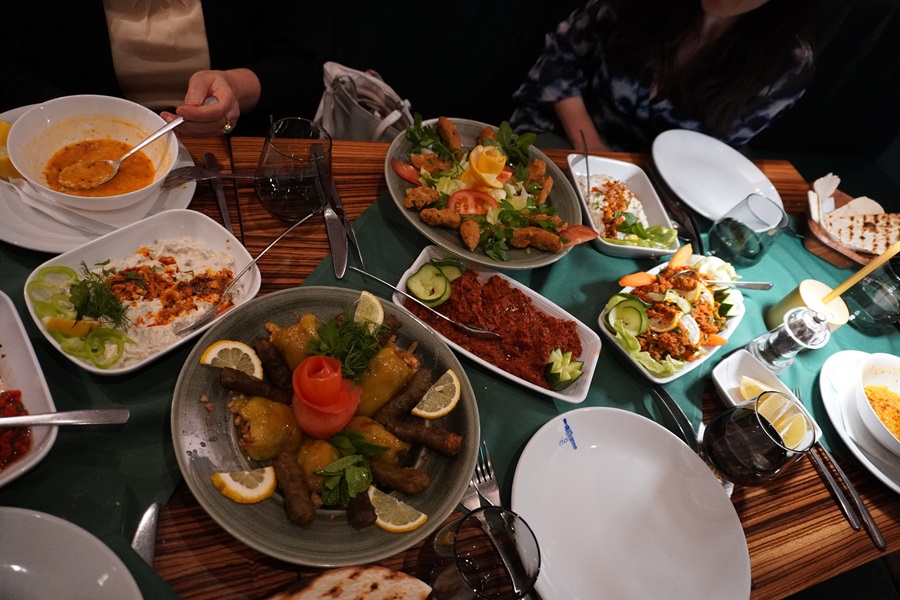
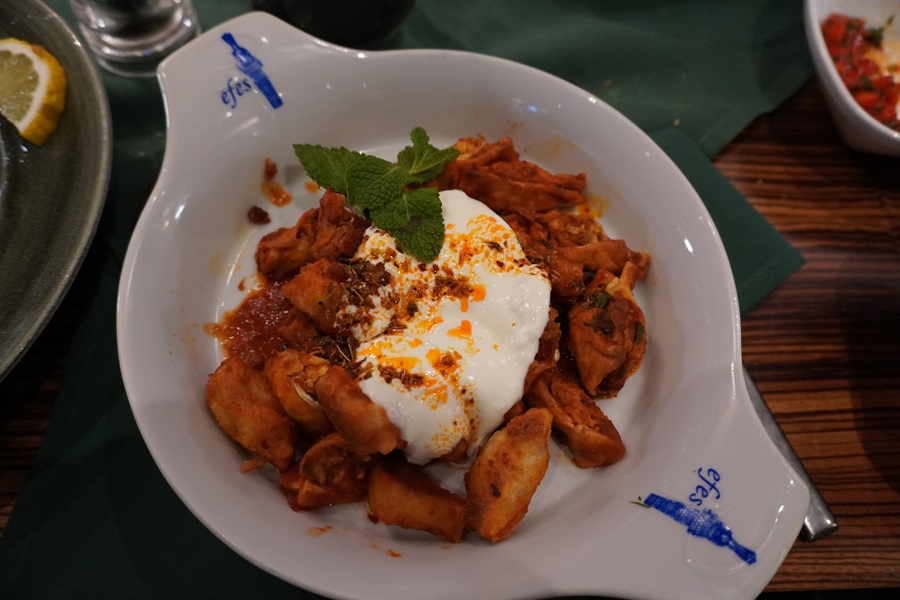
Turks are attached to their culinary traditions and food culture, which the regional cuisine benefits from. However, they need to be shared with the wider world to be appreciated, preserved and known. I love the Sini Mantı, Manti boats with spiced chickpea filling, from the Bilecik region, recipe at my book SEBZE. Efes restaurant made it beautifully after my presentation for the Anglo-Turkish Society and they said they have never heard it before. It may appear in their menu at special occasions, which would be delightful.
4- You have been a cookery teacher for many years. Have you had the satisfaction of seeing some of your former pupils flourish and develop with their own establishments across the world? Could you recommend one such restaurant?
Many thanks for your kind words. Yes it is very satisfying to see thousands of readers and students finding inspirations via my classes or recipes. I tend to teach to the general public but a few students said they were inspired by my Turkish cuisine presentations at 9 Eylul University – Izmir, when they opened their cafes in Izmir area. It makes me especially happy when I see them incorporate no waste, sustainable parts of Turkish cuisine; pickling excess produce, making their own salça / paste etc.
5- How much of the recipes from this book comes from your own family background and your regional heritage? Was food always important going back in your family?
Our food culture and heritage has been a huge inspiration for me and there are fine examples of that throughout the book, as well as emphasis on sharing, cooking together, repurposing etc. Along with my southern Turkish roots though, there are a wide variety of regional recipes covering all corners of Anatolia.
6- Can you provide a simple vegetarian recipe to a Westerner who has limited time but a hearty appetite!
Sure; I think my Nohut Dürümü, Spiced chickpea wrap with piyaz salad from my new book SEBZE will fit the bill here! Here is my recipe below, I hope readers of the Anglo-Turkish Society will enjoy it. Thank you for having me and Afiyet Olsun!
Nohut Dürümü
Spiced Chickpea Wrap with Piyaz Salad (from SEBZE cookery book)
Nohut Dürümü is a specialty in Gaziantep, especially in the Nizip region. Traditionally, dried chickpeas (garbanzo beans) are cooked with chunks of meat on the bone in a large pot. I omit the meat in my version and use a tin of good-quality pre-cooked chickpeas. In this easy wrap, sautéing and crushing the chickpeas over the warming cumin and pul biber-infused oil adds so much flavour. They are fantastic combined with the zingy piyaz salad with sumac onions and make a satisfying, great value meal.
Note: You can use dried chickpeas here; if so, you need to soak them in cold water overnight, drain, then put them in a pan with plenty of fresh water. Cook for about 1 hour, or until tender, adding salt towards the end of the cooking time. Drain and place in a bowl, ready to be used in this recipe.
Serves 2
60 ml (2 fl oz/¼ cup) olive oil
2 teaspoons ground cumin
1 teaspoon pul biber (use more if you like the heat)
1 x 400 g (14 oz) tin pre-cooked chickpeas (garbanzo beans), drained and rinsed (discard any loose skins)
sea salt, to taste
2 large or 4 small flatbreads, to serve
For the piyaz salad
½ teaspoon ground sumac
1 small red or yellow onion, halved and thinly sliced
1 small pointed red pepper or ½ large red (bell) pepper, deseeded and finely chopped
1 medium tomato, diced
handful of flat-leaf parsley, finely chopped
1 tablespoon extra-virgin olive oil
juice of ½ small lemon
sea salt and freshly ground black pepper, to taste
First prepare the piyaz salad. In a bowl, thoroughly rub the sumac and a pinch of salt into the onion slices with your hands (this will soften the onions and help the sumac to infuse). Stir in the chopped pepper, tomato and parsley, and combine well. Whisk together the olive oil and lemon juice and pour over the salad. Season with more salt (if needed) and freshly ground black pepper. Set aside.
For the chickpeas, heat the olive oil in a wide, heavy pan over a medium heat, stir in the ground cumin and pul biber and combine well for 1–2 minutes to let the spices infuse the oil. Stir in the cooked chickpeas, season with salt and mix well so that they all have the spiced oil coating. With the back of the spoon, crush about half of the chickpeas (this helps the chickpeas to absorb the spiced oil, as well as bringing extra texture) and sauté for another 2–3 minutes. Check the seasoning and add more salt, if needed.
Place the flatbreads on serving plates. Spoon the spiced chickpeas in the middle of each flatbread, top with the piyaz salad and roll up.
Serving suggestions: Some locals add chips to the wrap, so you may like to include my Kekikli, Pul Biberli Fırın Patates. You may also enjoy making your own flatbreads with my Balon Ekmek recipe, both included in SEBZE.